

Boca Raton Implements New Trespassing Ordinance for Public Properties |
City Council Adopts Measures to Enhance Public Safety and Legal Clarity |
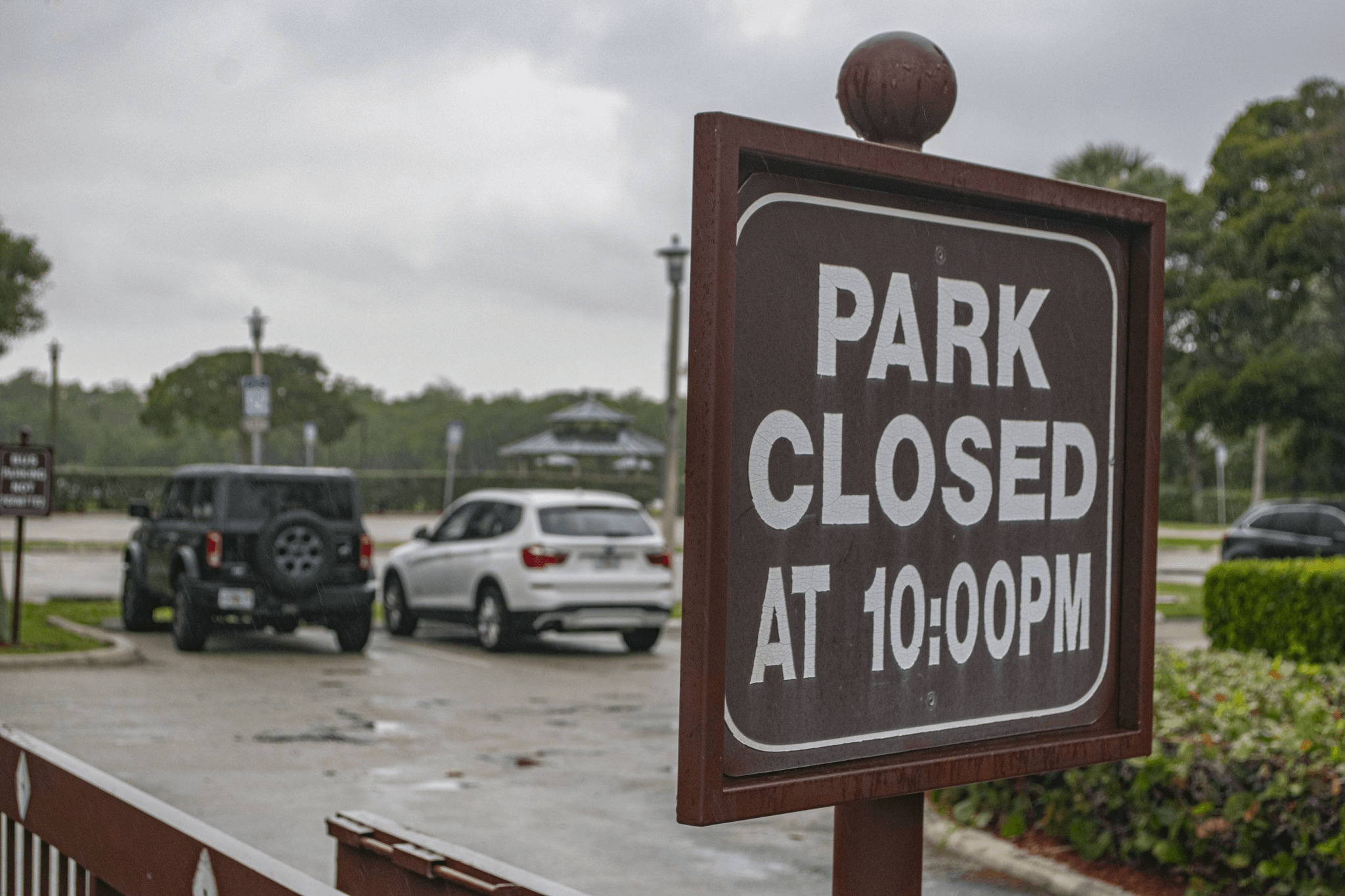
Boca Raton has introduced a new ordinance to address trespassing on city-owned properties, including parks and recreational facilities.
The ordinance aims to align local regulations with state laws and establish consistent procedures for managing unlawful activities in public spaces.
Previously, the city's code lacked specific enforcement guidelines, limiting its ability to impose time-limited exclusions or provide structured notice and hearing procedures for affected individuals.
Under the new ordinance, a trespass warning may be issued when an individual commits a qualifying violation—defined broadly to include violations of federal, state, or local law occurring on public property.
The ordinance provides two distinct mechanisms for enforcement: "Adjudicated Trespass Warnings," issued by a neutral hearing officer following a noticed administrative hearing; and an "Immediate Trespass Warning," issued by law enforcement officers in limited circumstances involving "dangerous or disruptive behavior" or repetitive violations.
Immediate trespass warnings and expulsion from property can occur if an incident involves "actual or threatened physical harm to any person," the brandishing of a weapon or other instrument that could cause harm, endangering or intimidating conduct directed toward minors, or any act of vandalism that could necessitate the need for a facility to be repaired.
The ordinance includes provisions to protect constitutionally protected speech and prohibits targeting individuals based on perceived homelessness unless they are violating specific infractions.
By implementing these measures, Boca Raton seeks to balance public safety with fair access to public spaces, ensuring that enforcement actions are conducted with due process and transparency. |
0 Comments
Join the conversation
Be the first to comment
Share your thoughts above.